
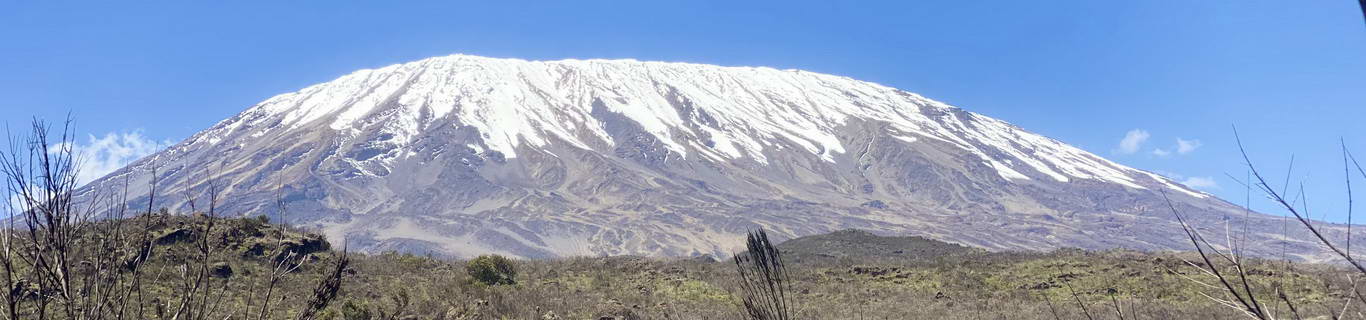
Understanding Altitude Sickness
Altitude sickness is the most common challenge on Kilimanjaro, caused by climbing faster than your body can adjust to falling oxygen levels. Watch for headaches, nausea, dizziness, and shortness of breath as the trek gains height.
The best prevention is simple: choose a longer route, ascend slowly, and drink plenty of water. If symptoms do appear and start to worsen, descending is the only reliable treatment, no amount of willpower substitutes for altitude.
Many climbers use Diamox to ease acclimatization. If you've used it before, you already know the drill; if not, read through my own experience with it here before you decide.
Choosing the Right Gear
Layering is everything on this mountain: a moisture-wicking base layer, an insulating mid-layer, and a waterproof outer shell that can handle everything from rainforest humidity to summit wind. Invest in hiking boots that are broken in well before you fly out, blisters at altitude are miserable.
Round out the kit with trekking poles, a reliable headlamp, gloves, a high-SPF sunscreen made for mountain sun, and a warm hat. For the full breakdown, see my detailed recommended gear list here.
Nutrition and Hydration
Eat high-energy, easily digestible food rich in carbohydrates and protein; every guided trek here includes meals built around keeping your stamina up. Hydration matters just as much: drink at least 3 to 4 liters of water a day to help your body acclimatize, and carry a reusable bottle or hydration bladder so it's always within reach.
Mental Preparation
Prepare for long trekking days and weather that can turn on you without warning. Set personal goals, take the trek one day at a time, and celebrate the small victories along the way.
Even with the best guiding, summiting is not guaranteed, and that's fine. In the end this is about the journey, not just the summit photo.
Training Tips
Start training 3 to 6 months before you fly out. Long hikes with a weighted backpack are the closest simulation you'll get to Kilimanjaro conditions; pair them with cardio (running or cycling) and strength work for your legs and core: squats, lunges, planks.
Practice with trekking poles too. They matter most on the descent, when your legs are tired and the terrain is loose underfoot.
Understanding the Weather
You'll move through everything from hot, humid rainforest to freezing summit conditions in the space of a few days, so pack for the full range rather than the weather at the gate. The dry seasons, January to March and June to October, give you the best odds of clear skies.
For the full month-by-month breakdown and the temperature ranges at each altitude zone, see the dedicated weather guide here.
Safety Considerations
Climb with a reputable operator whose guides are trained in mountain safety and first aid, it's the single biggest factor in how safe your trip actually is. Make sure you understand the emergency protocols before you start: what happens if altitude sickness turns serious, and how a descent or evacuation is handled.
The Importance of Porters
Porters carry your gear, set up camp, and prepare meals, they're the reason the trek runs as smoothly as it does. Choose an operator that treats them fairly: proper wages, proper gear, and humane working conditions. Ask if you're not sure, a good operator will be glad to tell you.
Packing Essentials
Your day pack should carry what you need during the day: water, snacks, a first aid kit, sunscreen, and rain gear. Your main backpack, carried by porters, holds your sleeping gear, extra clothing, and personal items, keep it packed so you're not digging through it every night.
Documenting Your Journey
Bring a camera or just your phone; the landscapes carry themselves. But put the lens down often enough to actually see the views, not just frame them. A short daily journal is worth more than you'd expect, small details fade fast once you're home.
What to Do After the Climb
Take time to celebrate with your team, you earned it, whether or not you reached the top. Many climbers extend the trip with a Tanzania safari or a few days unwinding in Zanzibar, worth considering while you're already this far.